
Plumbing services in Alhambra, CA
Alhambra Water Heater Repair: What to Check When the Tank Leaks or the Hot Water Quits
A cold shower, a puddle at the base of the tank or a new rumble from the garage: each points to a different fix, and one of them means the tank is finished. This page helps you tell which, and what to do before you call.
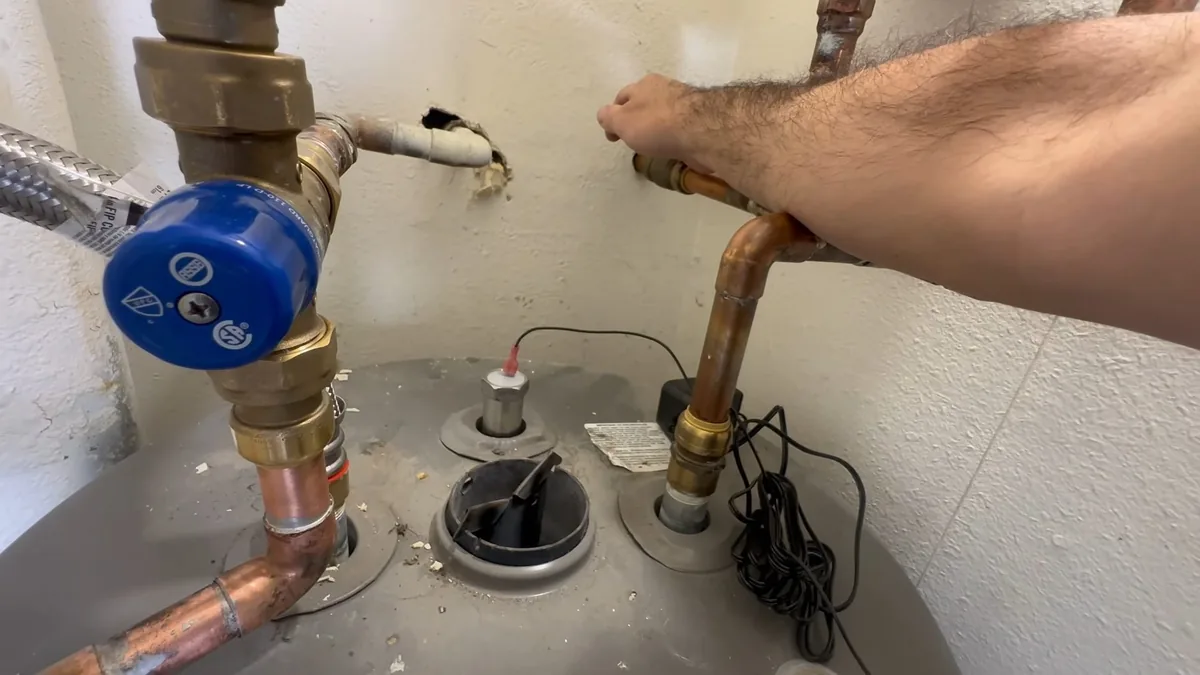
Is the water coming from the tank or from something attached to it?
Pooled water around a water heater has several possible sources, and only some of them mean replacement. Look first, from a safe distance and without touching anything electrical, at exactly where the water appears.
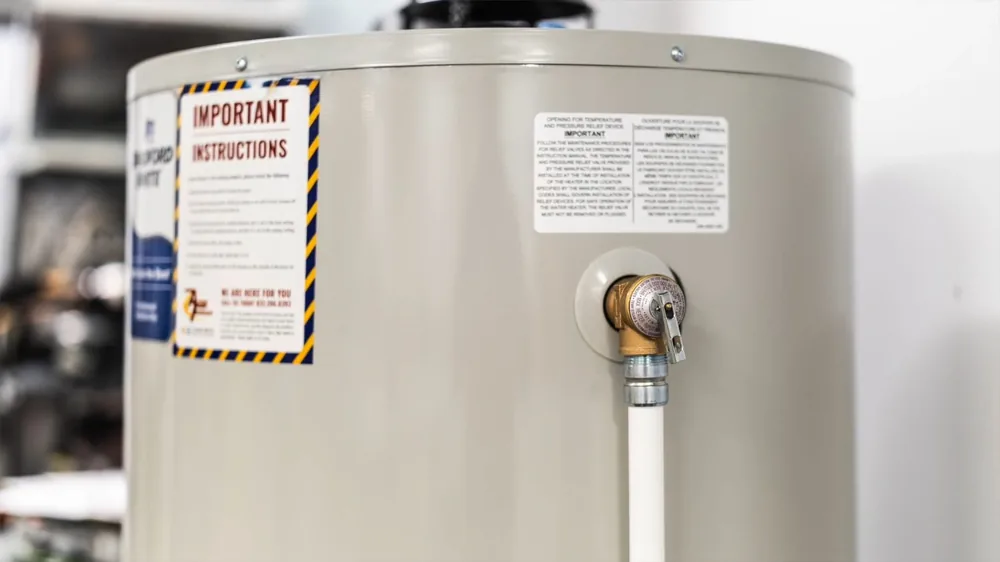
- Dripping from the discharge pipe beside or on top of the tank: the temperature and pressure relief valve may be opening because pressure or temperature is too high, or the valve itself may be worn.
- Wet fittings on top, where the hot and cold lines meet the tank: often a loose or corroded connection, which is a repair.
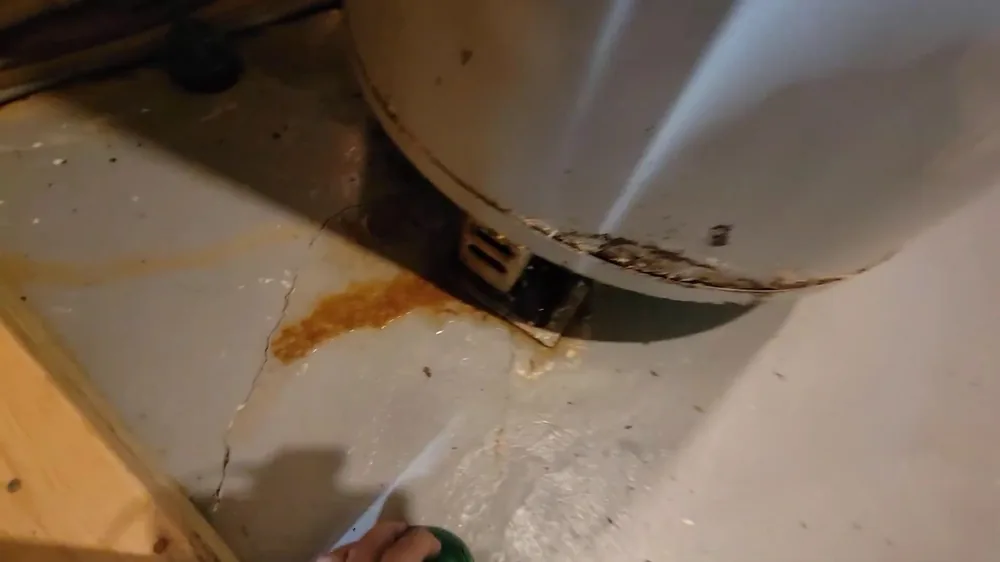
- Water seeping from the bottom or the tank jacket: usually the steel tank has corroded through, and no repair will hold.
- Moisture at the drain valve near the floor: a worn valve can be replaced without touching the tank.
That check cannot tell you whether the inside of the tank is still sound. A plumber can, by reading the age label, looking at sediment and tracing where the water starts. Describe what you saw when you call, because it often settles the question before anyone arrives.
No hot water: what a gas or electric unit is usually telling you
The fuel decides where a plumber looks first. Use the table to match what you notice to the likely cause, then call with that detail in hand.
| What you notice | Gas unit: likely cause | Electric unit: likely cause |
|---|---|---|
| No hot water at all | Pilot or burner not lighting, a failed thermocouple or a gas control problem | Tripped high-limit, failed thermostat or both heating elements |
| Hot water runs out fast | Sediment in the tank or a broken dip tube | One failed heating element, so only half the tank heats |
| Popping or rumbling | Sediment baked onto the bottom of the tank | Sediment around the elements |
| Water too hot or too cold | Thermostat or gas control setting or fault | Thermostat fault |
If you smell gas, leave the house and call your gas utility or 911 before you call a plumber. Do not relight a pilot or open an electric unit yourself. Both involve gas or live power, and the repair is not worth the risk.
Repair or replace: five questions that settle it
- How old is it? The label on the tank carries a serial number that encodes the build date. Tank units are commonly replaced somewhere around the ten-year mark.
- Where is the leak? A leak at the tank body means replacement. A leak at a fitting, valve or relief pipe often means repair.
- Has it been repaired before? A second failure on an older unit is usually the sign to stop repairing.
- What is failing? A thermostat, element or thermocouple on a younger unit is a repair. A cracked tank is not.
- What do you want next? If you are already considering a different type of heater, the replacement decision changes shape.
When the answer points to a new tank, the next page to read is replacing the tank instead of repairing it. If the issue is lost hot water on a unit that is fairly new, repair is usually the right call.
Not sure which side of the line your heater is on? Describe it to a plumber and get a straight answer.
What to ask the plumber to look at and write down
- The exact source of the leak or fault, noted in plain words.
- The age and model from the label, so you can compare repair against replacement honestly.
- The relief valve and its discharge pipe, which should be intact and routed to a safe spot.
- Your home's water pressure, since high pressure strains the tank, valves and fixtures.
- For a gas unit, the venting and the gas connection, with any problem found written down.
- Whether the unit is braced or strapped, and whether the work needs a City permit.
California requires residential water heaters to be braced or strapped under Health and Safety Code section 19211, so a repair visit is a good moment to ask about the straps. Permits are a separate question. The City of Alhambra's Building Division lists plumbing permits for piping, re-piping, new or replacement fixtures and devices, and swimming pool equipment, and it does not name water heaters, so call the Building Division before any replacement and ask how it treats one.
Also check who is doing the work. California requires a contractor license for jobs of $1,000 or more, labor and materials together. Look the plumber up in the Contractors State License Board License Check tool before you agree, and ask for license details in writing.
When the problem is bigger than the heater
Water around a heater is not always from the heater. A leaking supply line, a dripping ceiling or a wet wall nearby can mimic a tank leak. If the water keeps coming after the heater is shut off, you are looking for the real source of the water rather than a heater repair.
Sometimes the heater is fine and the trouble is at the tap: weak flow, a faucet that drips hot water or a mixing valve that fails. Those belong with worn faucets and sink fixtures. When you call, say what you have seen at both the heater and the fixtures, and ask whether fixture work found during the visit can be done at the same time.
Leaking tank on a weekend: contain it until a plumber comes
The City of Alhambra's Customer Service Center takes calls Monday to Thursday and is closed Friday through Sunday and on holidays, and its page lists no after-hours leak line. A leaking tank on a Saturday is yours to contain. Close the cold water inlet valve on top of the tank, which stops new water entering, and move anything valuable out of the puddle's path.
Then call a plumber and describe what you did and what you see. Do not drain the tank onto a floor or keep running the heater while water is leaking.
Water heater questions Alhambra homeowners ask
Why is my water heater leaking from the bottom?
Water at the bottom of the tank most often means the steel tank has corroded through, which cannot be repaired. It can also come from a worn drain valve or from condensation, so look at where the water starts. A plumber can confirm the source and tell you whether repair is possible.
My water heater has no hot water. What should I check first?
Check whether the problem is at one fixture or all of them, and whether there is water around the tank. On a gas unit, a smell of gas means leave the house and call your gas utility or 911. Do not relight pilots or open an electric unit yourself. Call a plumber and describe what you see.
Does a water heater repair or replacement need a permit in Alhambra?
The City of Alhambra Building Division lists plumbing permits for piping, re-piping, new or replacement fixtures and devices and swimming pool equipment. Water heaters are not named on that page, so call the Building Division to confirm how it treats a repair or replacement before work starts.
Water heater acting up in Alhambra?
Describe where the water is showing up, how old the unit is and whether you smell gas. You will get a clear read on whether this is a repair or the end of the tank.