
Plumbing services in Alhambra, CA
Alhambra Tankless Water Heater Services: Is a Tankless Unit Right for Your House?
Tankless units promise hot water without a storage tank, but they ask more of the house than a tank does. This page helps you decide whether one fits, and what to ask before you commit.
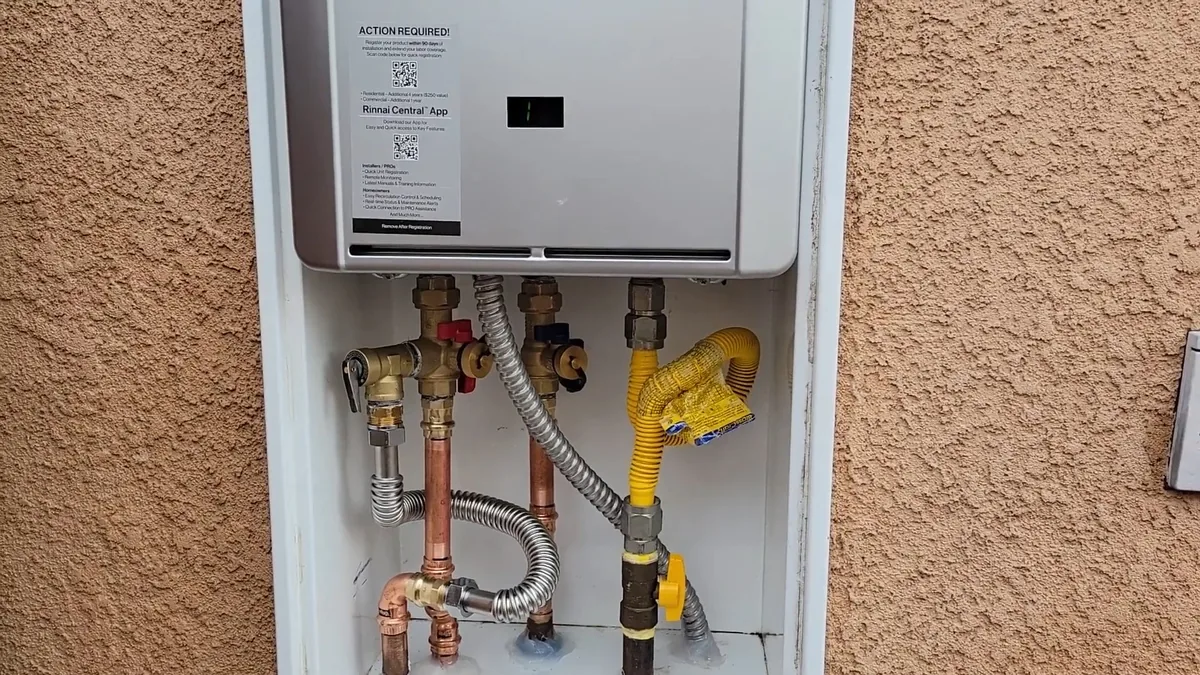
Does your house suit an on-demand heater?
A tankless heater heats water as it flows, so it needs to deliver a lot of heat quickly. That puts demands on the gas line, the venting or the electric supply, and those demands are where most conversion surprises come from.
- Gas supply: a tankless unit often needs a larger gas line than a tank heater, so ask the plumber to check the line size and run.
- Venting: the exhaust path is different from a tank heater, and the old vent may not be reusable.
- Electric supply: some units need a dedicated circuit, and an electric whole-house unit draws heavily.
- Location: the unit mounts on a wall and needs clearance for service and a safe vent route.
- Your use: several fixtures at once, such as two showers and a dishwasher, are the test of whether a single unit keeps up.
None of these is a reason to say no. They are the reason a quote for a tankless install should list gas, vent and electrical changes line by line instead of one total.
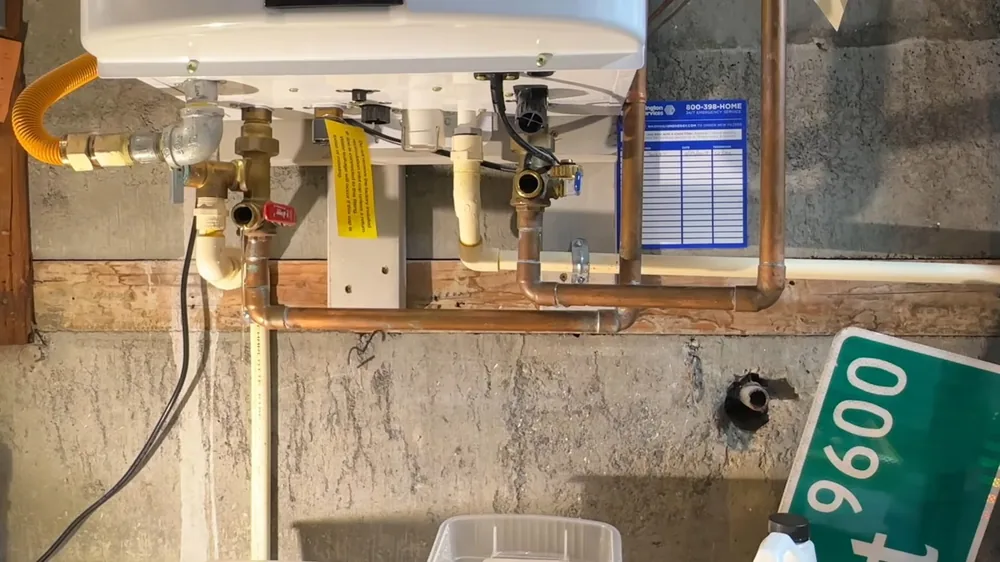
Whole-house, or a small unit at one sink?
Not every tankless install replaces the main heater. Point-of-use units, including compact undersink models, heat water at a single location. They suit a distant bathroom, a bar sink or a kitchen where hot water takes a long time to arrive.
| Setup | Good for | Keep in mind |
|---|---|---|
| Whole-house tankless | Replacing the main heater for the entire house | Larger gas, vent or electric demands |
| Point-of-use or undersink unit | One fixture far from the main heater | Serves that fixture only, and the main heater stays |
| Keep the tank | A house that already works and is not asking for change | Standby storage and a finite tank of hot water |
If you decide a conventional tank is the better fit after all, the planning page for replacing a tank water heater covers fuel, size and bracing.
Want to know whether your gas line and vent would handle tankless? A plumber can ask the right questions by phone.
Tankless versus a tank, in everyday terms
The honest comparison has two sides, and the right answer depends on the house and on what is bothering you about the heater you have now.
- What tankless offers: hot water that keeps coming as long as the flow stays within the unit's limit, no standby tank to heat and a wall-mounted unit that frees floor space.
- What it asks in return: a bigger gas or electric supply, a different vent, periodic service and a higher installed cost than a like-for-like tank swap.
- What it does not fix: slow hot water at a distant fixture, which comes from the distance the water travels and not from the heater type.
If your main complaint is running out of hot water, tankless may help. If it is a long wait at one faucet, a point-of-use unit or a rerouted line is the better question to ask.
Descaling and service: what a tankless unit needs over time
Scale builds up inside the heat exchanger whenever the water leaves mineral deposits, and a unit with scale heats less efficiently and can fault out. Descaling is a flush of the unit with a descaling solution, and manufacturers generally call for it on a schedule that depends on how much mineral the water carries.
We have not tied a hardness figure to Alhambra here, because the City's own current water quality report is the right source for that number. If you want to know how often to descale, ask the plumber for a schedule based on your unit's manual and what they see inside it.
- Ask how the service will be done and whether it includes cleaning the inlet screen.
- Ask what error codes you have seen on the display, since they point to the fault.
- Keep the manual or note the model so the next visit starts from the right information.
When a tankless unit is the one that is acting up
Cold water sandwiches, lukewarm water, a unit that cycles on and off and error codes on the display are the usual complaints. They can come from scale, a blocked vent, a gas supply that is too small or a failed part, and the display code is the best clue.
When you call, tell the plumber the model, the code, whether hot water is weak at one fixture or all of them and whether the problem started after another fixture opened. If the unit is leaking, close the water supply to it and treat it as a leak, not a settings issue. For a smell of gas, leave the home and call your gas utility or 911.
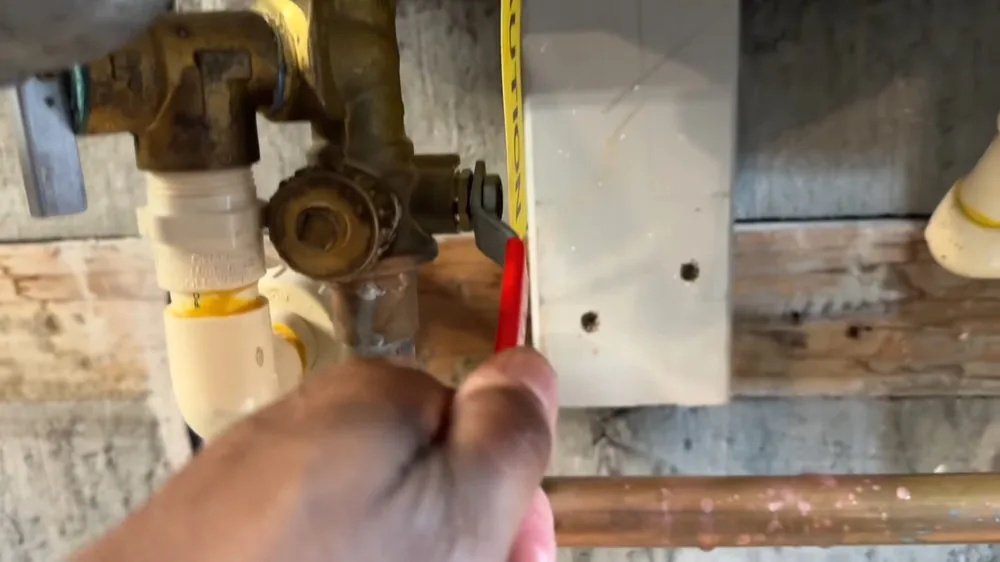
Permit, licensing and who to ask
A new tankless install can change the gas line, the venting and the electrical supply, and those are the kind of changes a City permit is for. The City of Alhambra's Building Division lists plumbing permits for piping, re-piping, new or replacement fixtures and devices, and swimming pool equipment. Water heaters are not named there, so call the Building Division and ask how it treats a tankless install.
California requires a contractor license for jobs of $1,000 or more, labor and materials together. Check the plumber with the Contractors State License Board License Check tool and ask for license details in writing. Tankless work is often a bigger job than a tank swap, so it nearly always crosses that line.
Tankless water heater questions
Is a tankless water heater right for my house?
It depends on the gas line, the venting or electric supply, the location and how many fixtures run at once. Ask a plumber to check each of those before you decide. If the house needs major changes, a tank unit may still be the better choice.
What is the difference between a whole-house and an undersink tankless unit?
A whole-house unit replaces the main heater for the entire house. An undersink or point-of-use unit heats water for one fixture only, and the main heater stays in place. Point-of-use units suit a fixture far from the main heater.
How often does a tankless water heater need descaling?
It depends on the unit and on how much mineral the water leaves behind. Ask the plumber for a schedule based on your unit's manual and the condition inside the heat exchanger. A unit that shows error codes or heats unevenly may be due sooner.
Thinking about a tankless unit in Alhambra?
Tell us what you have today, how many bathrooms you run and what is bothering you about it. You will get an honest answer on whether tankless is worth pursuing.