
Plumbing services in Alhambra, CA
Alhambra Sewer Line Repair and Replacement: Diagnose First, Then Choose Between Spot Repair and Replacement
Sewage coming up through a drain is a sewer emergency. This page covers what to do in the first minutes, how a camera diagnosis works and how the repair choice is made.
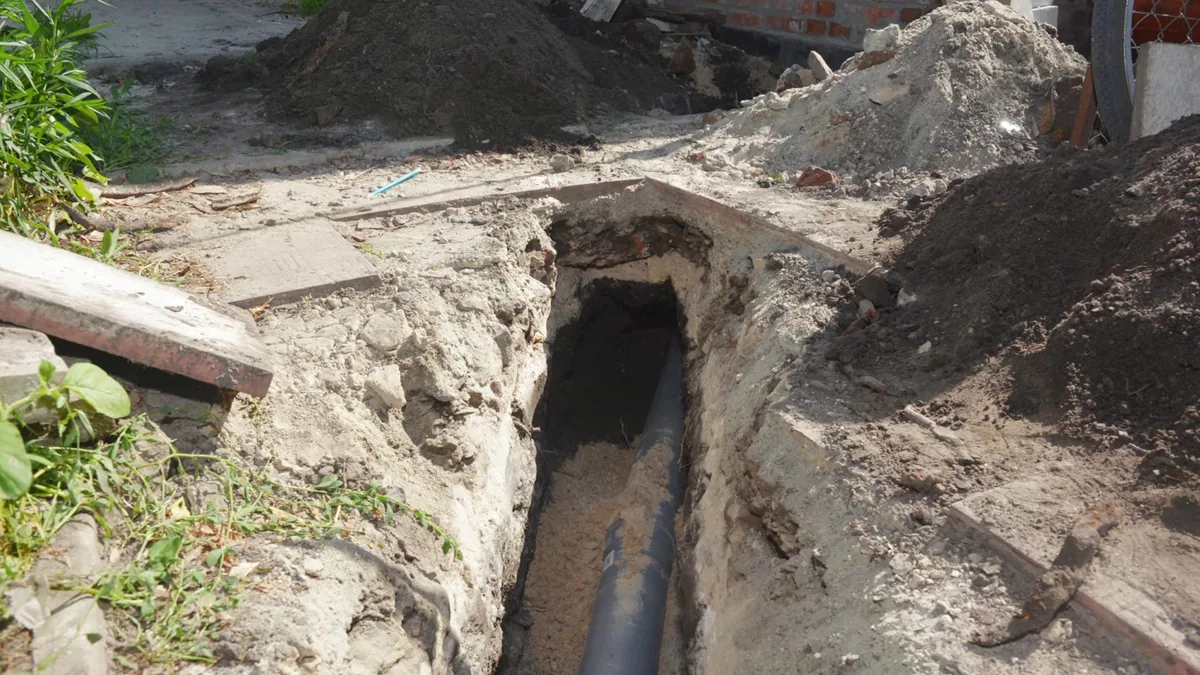
Is it a sewer backup? How to tell
A sewer backup is not a clog in one sink. It is wastewater with nowhere to go, and it shows up at the lowest drains in the house first.
- Water or sewage coming up through a floor drain, tub, shower or toilet.
- Several drains slow or gurgling at once, especially after the washer runs.
- A toilet that bubbles when another fixture drains.
- A sewage smell in the house or yard, or a wet patch over the line outside.
If you see sewage, stop using water. Do not flush, run the washer or take a shower, because every drop adds to what is backing up.
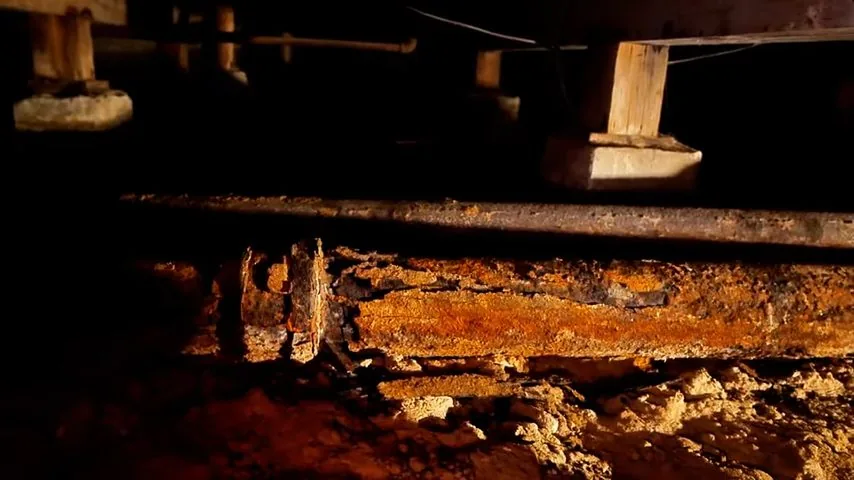
Sewage backup: stop water use, keep people clear, document
- Stop using water in the house.
- Keep children and pets out of the affected area.
- Do not touch standing sewage with bare hands. It carries germs.
- Photograph the backup and the damage for insurance.
- Call a plumber and describe which drains are affected.
- Call your insurer before heavy cleanup, and keep receipts.
Sewage in a living space is a health issue as well as a plumbing one. Cleanup and drying are handled through the separate water damage line on the page for cleanup after a sewage backup.
Sewage backing up right now? Stop using water and call to describe what you see.
Camera diagnosis: what a good inspection shows
Before anyone digs or lines a pipe, a camera should show what is wrong. A sewer camera inspection is the step that turns a guess into a diagnosis.
- Where the problem sits, measured from the cleanout or the house.
- What it is: roots, a crack, an offset joint, a belly, a collapse or a blockage.
- How much of the line is affected, one spot or a long run.
- The pipe material and condition, to the extent the camera shows it.
- A recording or photos you can keep and show to a second plumber or your insurer.
Cleaning the main line first, by snaking or jetting the line, often comes before the camera, so the lens can see the pipe wall. Ask which order the plumber plans to follow.
Spot repair, lining or full replacement: how the choice is made
| What the camera found | Likely approach | Why |
|---|---|---|
| A single broken or offset section | Spot repair by excavation | Fix the one failed section |
| Cracks or roots along a longer run, pipe still in line | Lining, where the pipe is suitable | Seals the run without digging it all |
| A collapsed or badly bellied section | Excavation and replacement of that section | Lining cannot restore a collapsed pipe |
| Failure throughout an old line | Full replacement | Repairing one spot leaves the rest at risk |
Digging is not always avoidable, but it is not always necessary. For many damaged lines, trenchless sewer lining and pipe repair is an alternative worth asking about. The camera findings decide which methods are even on the table.
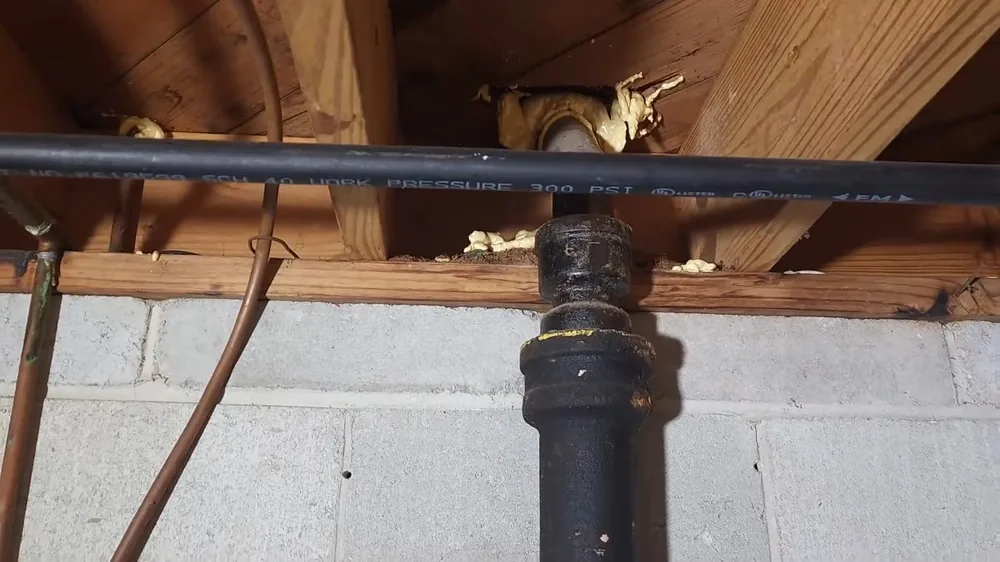
Who owns the line, and what permit applies?
This is where homeowners get caught out, so check before you commit to a repair. We have not verified where a homeowner's responsibility for the sewer lateral ends in Alhambra, and the City's Public Works page does not say. Call Public Works at 626-570-5067 and ask who owns each part of the line between your house and the main.
Alhambra's municipal code, as published online, requires a permit from the Director of Public Works to construct, connect to, tap or maintain a connection to a public sewer. Ask the plumber whether the repair touches the public connection, and who will pull any permit. Confirm the current rule with Public Works before work starts, since online copies of the code can lag behind.
Check the license as well. California requires a contractor license for jobs of $1,000 or more, labor and materials together, and sewer work nearly always exceeds that. Use the Contractors State License Board License Check tool and ask for license details in writing.
After the repair: what to keep and what to expect
A sewer repair leaves you with paperwork worth keeping. Ask for a written description of the work, the camera footage before and after, the permit and its sign-off if one applied and the warranty terms for both materials and labor.
- Keep the camera recordings. They show the condition of the line at the time of repair.
- Ask what to watch for in the next few weeks, such as slow drains or soil settling over a trench.
- Confirm that any excavated area will be backfilled and restored, and what that includes.
- Ask for the cleanout location to be marked or noted for future service.
Cast iron, clay and the older lines
Older homes often have older drain and sewer materials, and the camera is the way to know what yours has. Cast iron can rust and scale on the inside. Clay can crack, shift at joints and let roots in. We have not found a verified material profile for Alhambra, so treat both as possibilities to check rather than facts about your street.
Ask the plumber to name the pipe material the camera shows and explain how the repair method suits it.
Commercial and industrial sewer lines
Commercial and industrial sewer lines are usually larger and carry heavier loads, so the same diagnosis happens at a larger scale. A camera inspection, cleaning and, where needed, repair or lining follow the same logic as in a house. What changes is the stakes and who else has to be involved.
- Say whether the line serves one tenant or several, and who owns it.
- Ask where the cleanouts are and whether they are accessible without shutting the business.
- Ask how the work will be scheduled so the space stays open as much as possible.
- Ask whether regular cleaning or camera checks make sense for a line that carries heavy use.
- Keep the written findings for the property owner, the manager and the insurer.
Describe the property when you call, including the use, the number of tenants and any history of backups.
Sewer line questions
What should I do when sewage backs up into my house?
Stop using water, keep people and pets away from the affected area and do not touch sewage with bare hands. Photograph the damage, call a plumber and call your insurer before heavy cleanup.
Who is responsible for the sewer line between my house and the street?
We have not verified this for Alhambra. Call the City of Alhambra Public Works at 626-570-5067 and ask who owns each part of the line before you agree to a repair.
Does sewer line work need a permit in Alhambra?
Alhambra's municipal code, as published online, requires a permit from the Director of Public Works to construct, connect to, tap or maintain a connection to a public sewer. Confirm the current rule with Public Works before work starts.
Sewer backing up in your Alhambra home?
Stop using water, then call. Tell the plumber which drains are backing up and whether you have had backups before.