
Plumbing services in Alhambra, CA
Alhambra Slab Leak Detection and Repair: Warm Floors, High Bills and Your Options Under the Concrete
A warm patch on the floor, a water bill that jumped, or the sound of water at night can point to a leak under the concrete. This page covers how to confirm one, what repair options exist and what to ask first.
First question: does your house even have a slab?
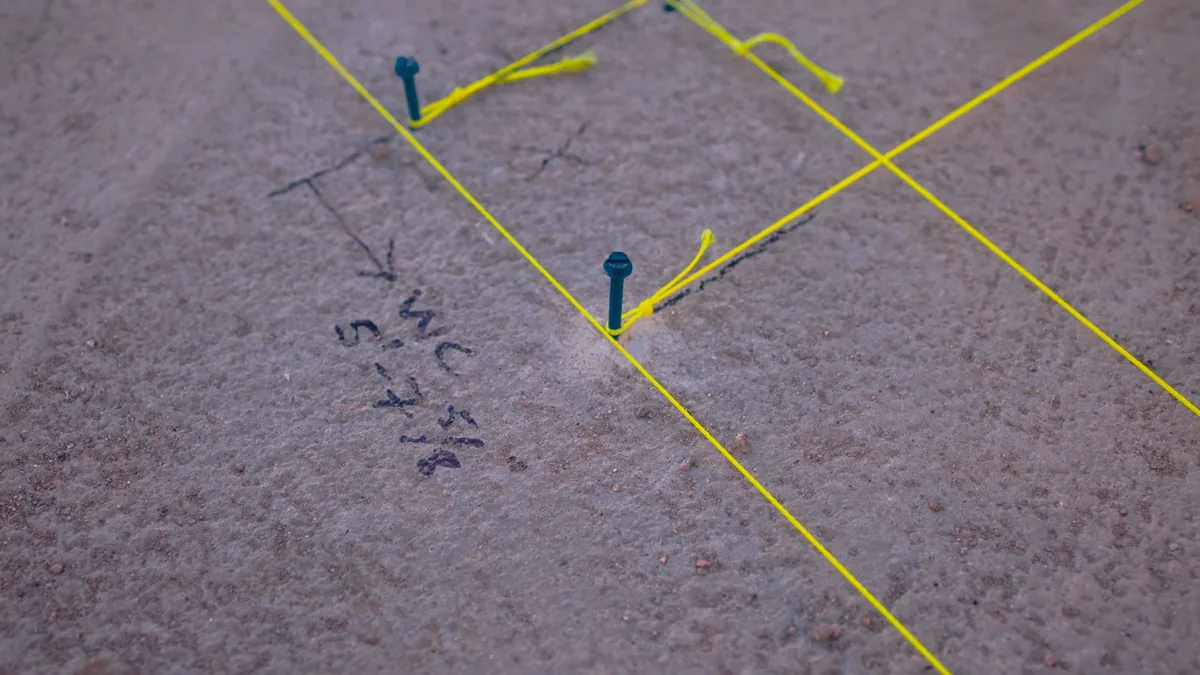
A slab leak is a leak in a pipe that runs in or under a concrete floor slab. Not every house has one. Many older homes sit on raised foundations with a crawl space, where pipes are reachable from below and a leak is a different job. Alhambra's housing includes everything from 1920s houses to mid-century and 1950s ranch homes, so the foundation type is not something to assume from the neighborhood.
Check before you call. A crawl space access panel, raised floors that sound hollow and visible foundation vents usually mean a raised foundation. A floor that is level concrete under tile or carpet usually means a slab. If you are unsure, say so, and the plumber can tell on arrival.
That one answer changes the whole call, because a leak under a raised floor is reached from beneath and a slab leak needs locating through concrete.
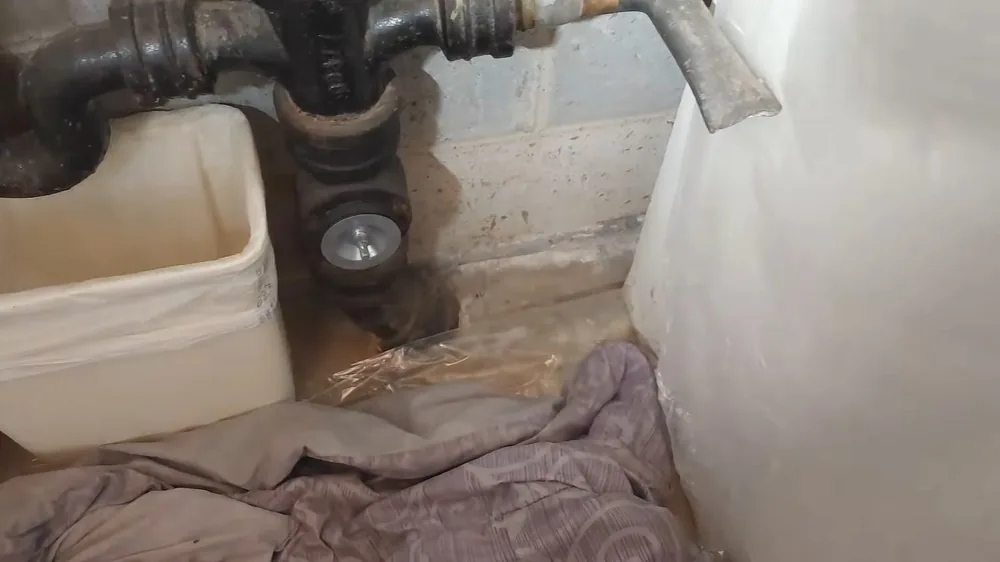
Signs that point to a slab leak, and what each one cannot prove
| Sign | What it suggests | What it does not prove |
|---|---|---|
| Warm spot on tile or flooring | A leak in a hot line beneath | A warm floor can also come from heating or sun exposure |
| Water bill spike with no change in use | Water escaping somewhere | Not that the leak is under the slab |
| Sound of running water when all is off | Water moving in a line | Could be a toilet or a fixture |
| Damp carpet or baseboards, or a musty smell | Moisture near the floor | Could be a plumbing leak above the floor |
| Low hot water pressure | A hot line may be leaking | Could be a failing fixture or valve |
The meter test comes first. Turn everything off, read the meter, wait and read it again. If it moves, there is a leak, and the next question is where. The step-by-step version is on the leak detection page, which also covers the cases that are not under a slab.
How a slab leak is confirmed and located
The goal is to find the leak to within a small area before anything is cut. A plumber will typically isolate the lines, test which one is losing pressure and then listen or scan to narrow the location. Acoustic gear picks up the sound of water escaping, and thermal imaging can show a hot-line leak as a warm patch.
- Ask which lines were tested and which were ruled out.
- Ask how precisely the leak was located and how that was confirmed.
- Ask what the plan is if the spot turns out to be under a wall, a cabinet or a permanent fixture.
Warm floor and a climbing bill? A plumber can help you decide what to check and what to ask.
Spot repair, reroute or repipe: which fits?
Once the leak is found, there are three broad ways to deal with it. Each has a place.
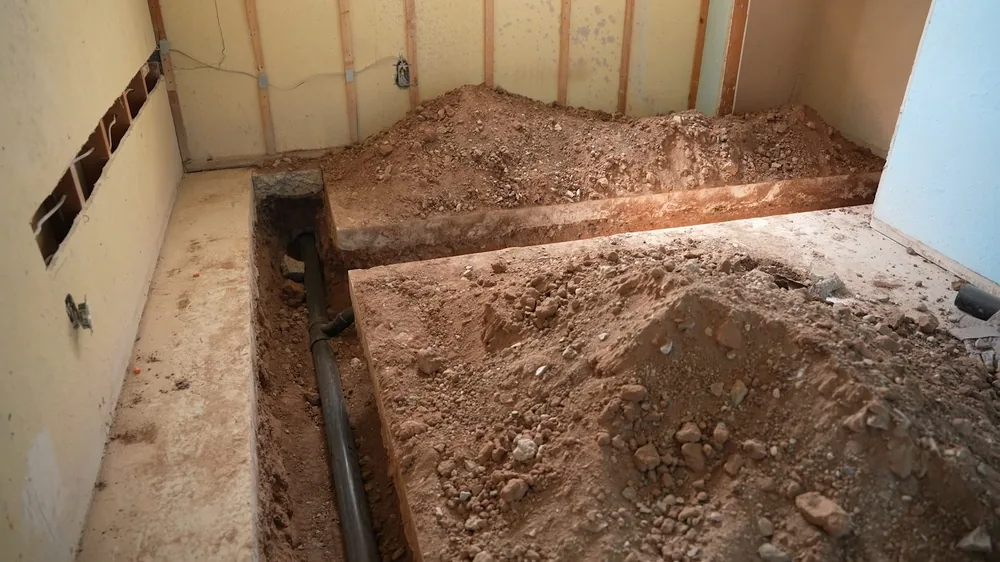
- Spot repair: open the floor at the leak, repair the pipe and restore the floor. It suits an isolated leak with good access.
- Reroute: abandon the leaking line and run a new line above the slab through the walls or attic. It avoids breaking more concrete, and it is the usual answer when a single line has failed.
- Repipe: replace the supply lines throughout the house. It makes sense when leaks keep recurring or the pipe is failing in many places.
If leaks keep returning, the decision is no longer about one leak. whole-home pipe replacement is the page that covers when that makes sense. A leak in a sewer or drain line under the slab is different again and belongs with sewer and drain line repair.
Post-tension cables under a slab: what to ask before cutting
Some slabs contain post-tension cables, steel tendons under tension that reinforce the concrete. Cutting into one without locating it first is dangerous and damaging.
Ask a plumber to say how they will locate cables or reinforcement before any cutting. Ask also whether the home’s age or foundation type changes the plan. A plumber who has seen the house can tell you more than a general page can.
Insurance, documentation and what to do before repairs start
Many homeowners policies treat slab leaks differently from sudden pipe bursts, and coverage for leak detection, access and floor restoration varies. Call your insurer before repair begins and ask what it covers, what documentation it needs and whether it wants to see the damage before anything is opened.
- Ask the plumber for a written report of the leak location and cause.
- Take photos of the floor, the walls and any damage before work begins.
- Keep the water bills that show the increase.
- Save receipts for any emergency steps you took.
If water has damaged flooring or walls, the drying and cleanup are a separate job, handled through the separate water damage line on the water damage restoration page. Mention both when you talk to your insurer.
Slab leaks in commercial buildings
Commercial slabs are larger and often carry more lines, so locating a leak takes more systematic testing. Tenants and owners should also settle who is responsible before work begins, because a repair may involve closing part of the space. Tell the plumber the building type, how old it is, whether tenants share the lines and when the space is open.
Ask for a written location and cause, a plan for protecting stock, equipment and floor finishes, and a schedule that fits business hours. Notify the property manager and insurer early.
Slab leaks and the foundation: when to ask for inspection
Water under a slab can soften the soil and, in prolonged cases, contribute to settling or cracking. Not every slab leak threatens the foundation, but a leak left running for a long time is more likely to cause trouble. Ask the plumber whether anything about the leak suggests that a structural inspection is warranted, and what they would look for.
Check the license too. California requires a contractor license for jobs of $1,000 or more, labor and materials together, and slab repairs nearly always exceed it. Use the Contractors State License Board License Check tool and ask for license details in writing. Ask also whether a City permit applies to the work: the Building Division lists permits for piping, re-piping and new or replacement fixtures and devices, so call to confirm for a reroute or repipe.
Slab leak questions
What are the signs of a hidden slab leak?
Common signs include a warm spot on a floor, an unexplained rise in the water bill, the sound of running water when everything is off, damp flooring or baseboards and low hot water pressure. None of them proves a slab leak on its own. A meter test and a leak detection visit can confirm it.
Does my Alhambra house have a slab foundation?
Not necessarily. Alhambra has homes of many ages, and foundation types vary. A crawl space access panel and foundation vents usually mean a raised foundation, and a level concrete floor usually means a slab. A plumber can confirm on arrival.
Can a slab leak be fixed without breaking the concrete?
Sometimes. When a single line has failed, a plumber can often abandon it and run a new line above the slab through the walls or attic, which avoids breaking more concrete. An isolated leak with good access may be fixed in place instead. The right method depends on the leak and the house.
Suspect a slab leak in your Alhambra home?
Tell us about the warm spot, the bill and the age of the house. You will get a clear sense of whether it fits a slab leak and what to do next.