
Plumbing services in Alhambra, CA
Alhambra Hydro Jetting Services: When a Snake Is Not Enough for a Stubborn Drain
Hydro jetting is not a stronger snake. It cleans the pipe wall itself. This page explains when it fits, when it does not and what to ask before agreeing to it.
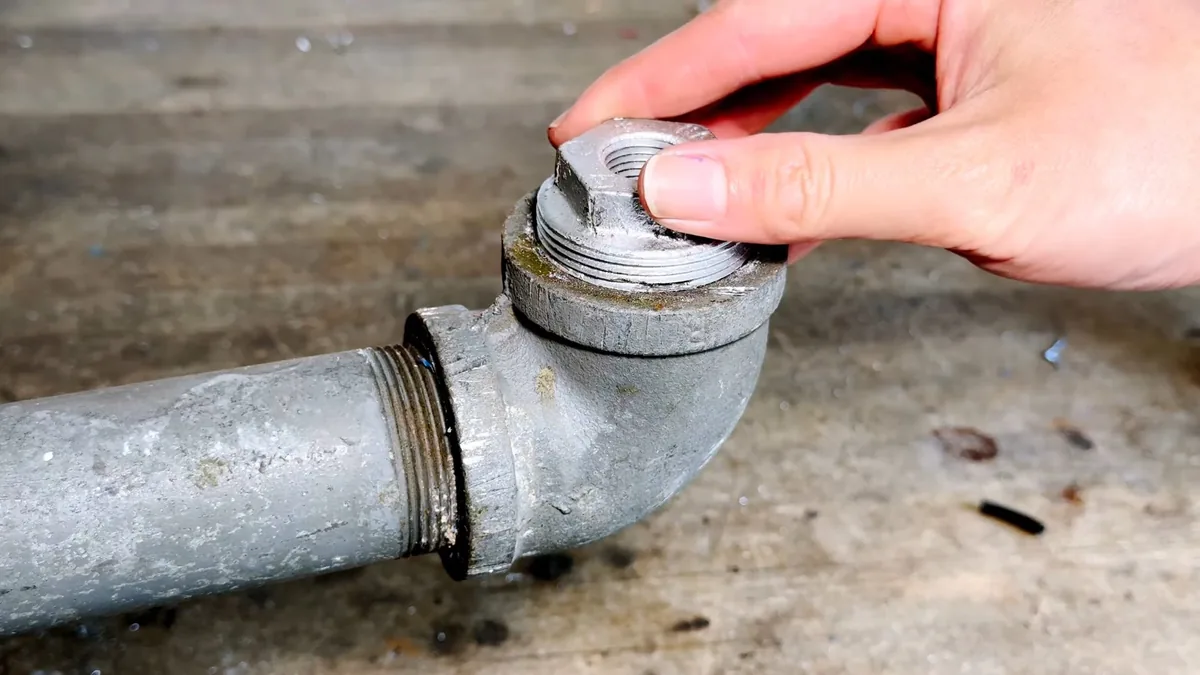
Snake or jet? Matching the tool to the blockage
A cable pushes through a clog and leaves a hole. A jet scours the pipe wall. The difference matters when the blockage is a coating, not a plug.
| Problem | Drain cable | Hydro jetting |
|---|---|---|
| A single plug, such as hair or a wad of debris | Usually enough | Often more than the job needs |
| Grease coating the pipe wall | Cuts a channel, grease builds back | Strips the coating from the wall |
| Tree roots in a joint | Cuts through the roots, which regrow | Clears roots and flushes them out, but does not repair the joint |
| Heavy scale or mineral buildup | Scrapes some loose | Removes more of it |
| A broken or collapsed pipe | Cannot fix it | Cannot fix it, and may make it worse |
For the simpler clogs, start with drain cleaning and clog removal. Jetting is the step for drains that keep returning after a cable.
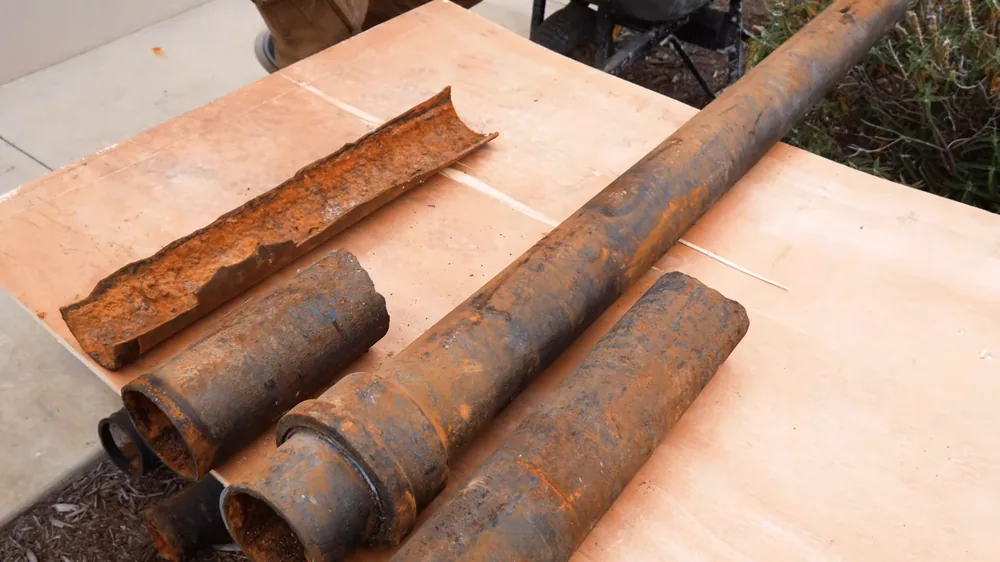
Is the pipe sound enough to jet?
High-pressure water is effective because it is forceful, and that is also the risk. A pipe that is cracked, collapsed, offset at a joint or very fragile can be damaged or worsened by a jet. Older clay or cast iron lines deserve extra care, because their condition is not visible from the outside.
That is why the camera comes first. A plumber who jets without looking is guessing. A camera inspection before jetting shows the pipe's condition and tells you whether jetting is safe and whether the line needs repair instead.
The camera step: what to ask to see
- Footage or photos of the pipe before jetting, so you can see what the plumber saw.
- Whether any cracks, offsets, bellies or roots in joints were found.
- A second look after jetting, to confirm the pipe wall is clean and nothing was disturbed.
- A written note of where any problem sits, measured from the cleanout.
Wondering whether your line is a candidate for jetting? A plumber can ask the right questions by phone.
Why grease coats a pipe wall, and what keeps it from building back
Cooking fat goes down the drain as a liquid and cools into a waxy layer on the pipe wall. Soap, food scraps and wipes cling to it, and over months the opening narrows until a clog forms. A cable pokes a hole through that layer. A jet removes it, which is why kitchen lines that clog repeatedly are the classic jetting job.
Jetting resets the pipe, but habits decide how long the reset lasts. Wipe greasy pans into the trash before washing, keep wipes out of the toilet even if the package says flushable and use a strainer in the kitchen sink.
What jetting cannot fix, and what to do when it finds damage
Jetting cleans. It does not repair. A pipe that is cracked, bellied or collapsed will clog again no matter how clean it is made, and roots that entered through a broken joint will return.
- Roots: jetting clears them, but they will regrow until the joint is sealed or the pipe is replaced.
- A bellied pipe that holds water needs a repair, because a jet cannot level it.
- A collapsed pipe needs excavation or lining, covered under sewer line repair and replacement.
If the camera shows damage, ask the plumber to explain the repair options before any jetting is done.
Keeping the line clear after it has been jetted
- Ask the plumber how long the line is likely to stay clear given what was found.
- Ask whether a follow-up camera look in a year or two makes sense.
- Note where the cleanout is, so a future visit starts faster.
- Keep the camera footage and any written notes with your house records.
Cleanout access and what to expect on the day
Jetting is usually done through a cleanout, an access point on the sewer line, or through a fixture drain when no cleanout exists. A line without a cleanout may need one installed, which changes the job.
- The plumber locates the cleanout or the best access point.
- A camera inspection looks at the line.
- The jet hose is fed into the line and the pipe is cleaned in passes.
- Debris is flushed out and the line is checked again.
- You are told what was found and what, if anything, comes next.
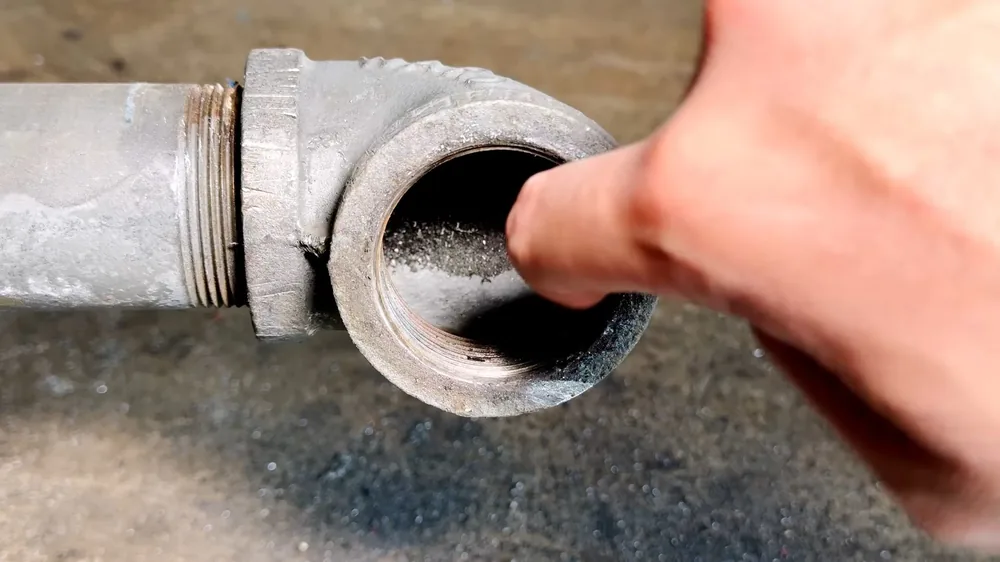
Roots and old joints: what jetting does about them
Roots enter sewer lines through tiny gaps at joints, then grow into a mat that catches everything. Jetting can clear that mat and restore flow, and for many homeowners it is a sensible way to buy time. It does not seal the gap. If the camera shows roots at a joint, ask whether a repair or lining at that spot is worth planning, so you are not paying to clear the same roots every year.
What to ask before you agree to hydro jetting
- Why jetting instead of a cable for this blockage?
- Will a camera look at the line before and after?
- Is the pipe material and age suitable for jetting?
- Where will the water and debris go, and who is responsible for any damage?
- What will be written down about the line's condition?
Check the license too. California requires a contractor license for jobs of $1,000 or more, labor and materials together. Use the Contractors State License Board License Check tool and ask for license details in writing. Whether a sewer connection or work on the public side needs a permit is a question for the City's Public Works at 626-570-5067.
Hydro jetting questions
Is hydro jetting better than snaking a drain?
It depends on the blockage. A cable is usually enough for a single plug. Jetting suits grease coating the pipe wall, heavy scale and roots, because it cleans the wall itself. A camera inspection helps decide which fits.
Can hydro jetting damage old pipes?
Yes, it can, if the pipe is cracked, collapsed or very fragile. That is why a camera inspection before jetting matters, particularly for older clay or cast iron lines.
Will hydro jetting stop tree roots from coming back?
Not by itself. Jetting clears roots from the line, but they will regrow until the joint they entered is repaired or the pipe is replaced.
Wondering if hydro jetting fits your drain?
Describe the clog history, the age of the house and what a plumber has done before. You will get an honest answer on whether jetting makes sense.