
Plumbing services in Alhambra, CA
Alhambra Water Leak Detection Services: From a Spinning Meter to a Stain on the Ceiling
A climbing water bill, a stain that keeps coming back or the sound of water when nothing is running can mean a leak. This page walks through the checks you can do safely, and what detection should tell you.
Is there a leak at all? Read your meter before you call
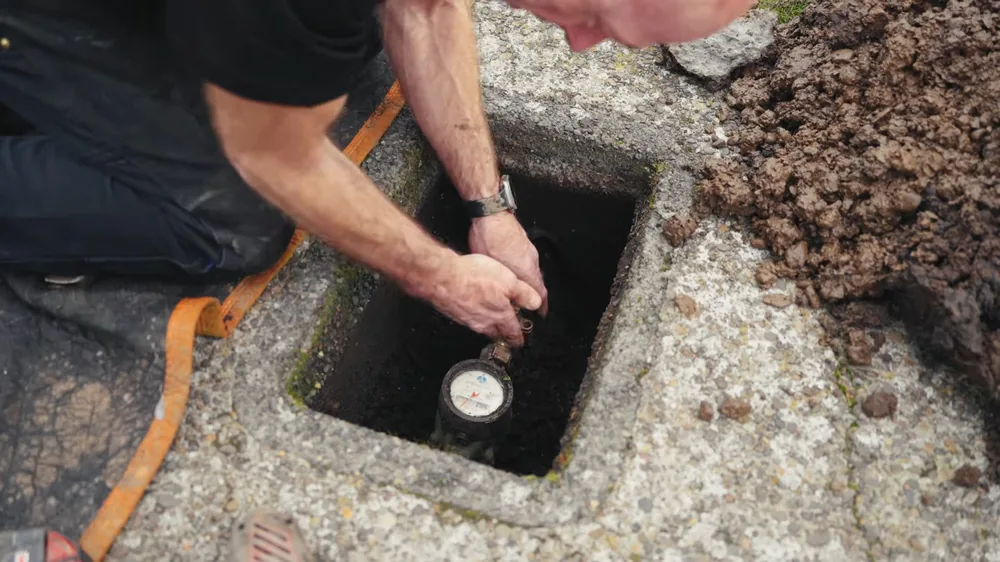
The water meter answers this faster than anything else. It takes about half an hour and no tools beyond your eyes.
- Turn off every faucet and appliance that uses water, including the ice maker and any irrigation.
- Locate the meter and note the reading, or watch the small dial or flow indicator.
- Wait 15 to 30 minutes without using any water, then read it again.
- If the dial moved or the indicator is spinning, water is escaping somewhere on the house side of the meter.
That check tells you a leak exists. It does not tell you where. A toilet that refills on its own is the most common false alarm, so add a few drops of food coloring to the tank and see whether color appears in the bowl without flushing. If color shows up, the toilet is your leak and the meter test was right for the wrong reason.
Signs a leak is hiding behind a wall or under a floor
Most leaks tell you something long before they flood a room. The signs are easy to dismiss one at a time and hard to ignore together.
- A water bill that rises with no change in how you live.
- A musty smell, a damp patch or paint that bubbles or peels.
- The sound of running water when everything is off.
- A stain on a ceiling or wall that grows or returns after drying.
- Reduced water pressure in one part of the house.
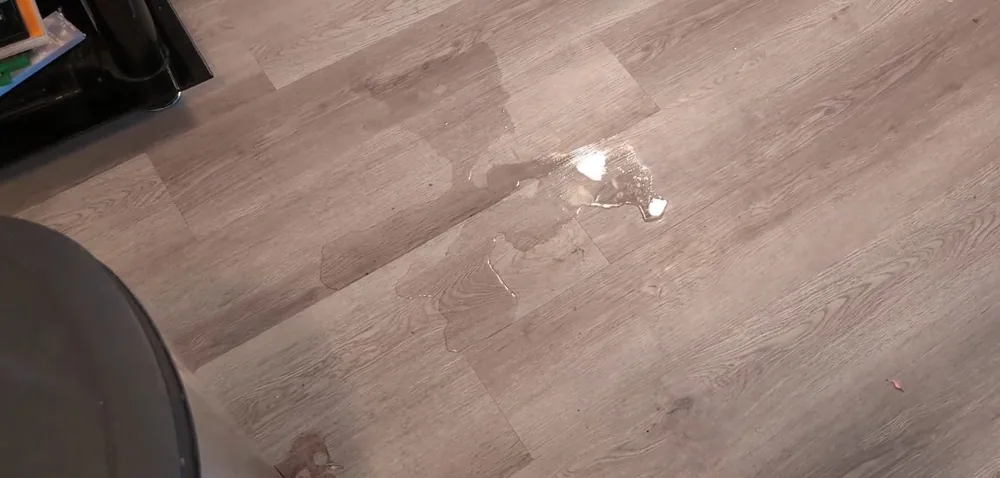
- A warm spot on a floor, which can point to a leak in a hot line.
Catching these early matters because water travels. The place where it shows up can be a long way from where it starts, and the longer it runs the more drywall, flooring and framing it reaches.
Which kind of leak is it? Matching what you see to the likely source
| What you see | Likely source | Where it goes next |
|---|---|---|
| Ceiling stain under a bathroom | Supply, drain or shower pan above | Detection, then repair of the source |
| Ceiling stain after rain | Roof or gutter | A roofer, not a plumber |
| Wet wall with no rain | Pipe inside the wall, a fixture or a drain | Detection, then repair |
| Pinhole spray or green crust on copper | A pinhole leak in a copper line | Repair, and a look at the rest of the line |
| Soggy lawn or a wet patch near the meter | Irrigation or the service line between meter and house | Detection and repair of that line |
| Warm floor | A leak in a hot line under the floor | The slab leak page if the floor is a slab |
A warm floor and a rising bill are the pattern covered in slab leak detection and repair. A sudden burst, as opposed to a slow leak, belongs with a burst or broken pipe.
Copper pinhole leaks deserve a note of their own. Tiny holes can form in aging copper, spraying a fine mist that stains a wall or leaves green crust on the pipe. One pinhole is often a sign of wear elsewhere in the same line, so ask the plumber to look at the rest of the run and not only the spot that is leaking.
Not sure what you are looking at? Describe the stain and the meter result to a plumber and get a next step.
What a good leak detection visit should deliver
Detection is a diagnosis, so the output is information. Equipment matters less than what you are told at the end. Ask for the following, in writing if possible:
- The location of the leak, described clearly enough to point to it.
- The method used to find it, such as listening with acoustic gear, thermal imaging or pressure testing, so you know how confident the answer is.
- The source: supply line, drain line, fixture, appliance connection or service line.
- The options to fix it and what each involves, including any wall or floor access.
- Photos or notes you can give to your insurance company if it applies.
Detection and repair are different jobs. A plumber who finds the leak should tell you plainly whether the same visit can fix it or whether a separate repair is needed.
Some leaks are not the plumber's to fix
Part of a good diagnosis is knowing where plumbing stops. Several leaks that look like plumbing problems belong to someone else, and calling the right party first saves time.
- Gas: a gas smell is never a plumbing leak to chase. Leave the home and call your gas utility or 911.
- Roof and gutters: a stain that shows up after rain points to the roof, flashing or gutters, so a roofer is the first call.
- Pools and spas: shell and equipment leaks usually go to a pool service company. The City lists permits for swimming pool equipment, so ask the Building Division about any equipment work.
- The street side of the meter: the City of Alhambra's Utilities Department can tell you where its responsibility ends. Its Customer Service Center is at 626-570-5061 and is open Monday to Thursday.
- Condos and rentals: an association or landlord may own the pipe or have to approve the repair, so tell them before work begins.
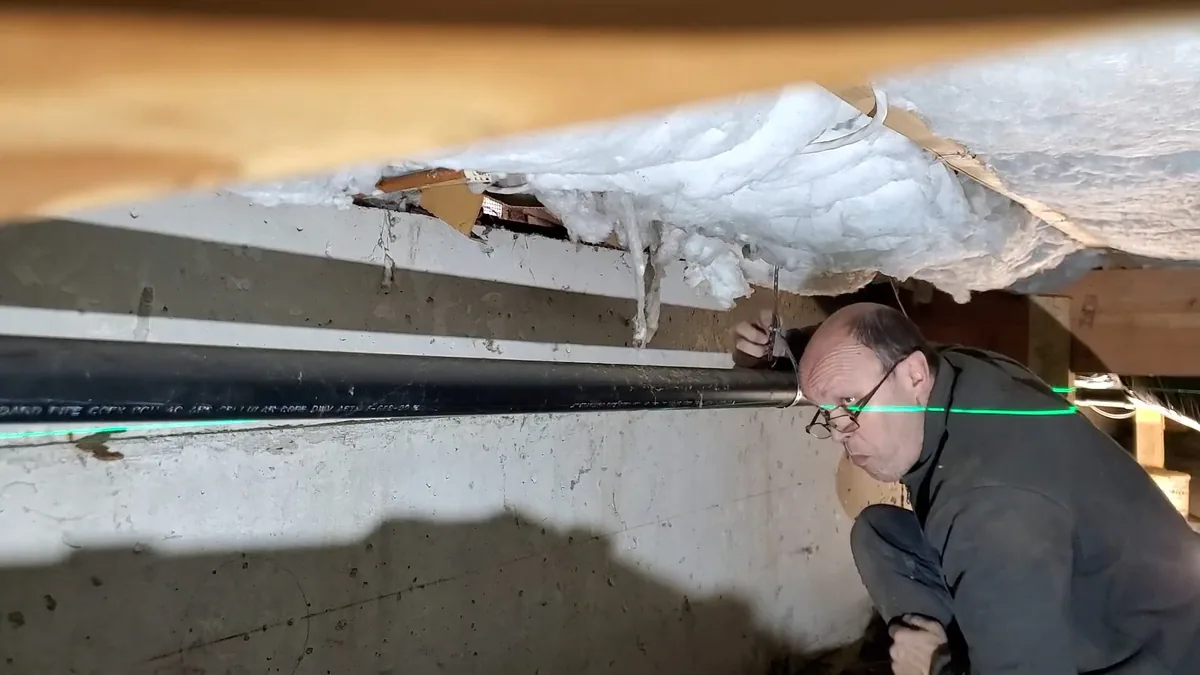
Irrigation and sprinkler leaks, and leaks in the yard line between the meter and the house, are plumbing leaks and are part of detection. Basement or sub-floor leaks follow the same meter test and diagnosis. Commercial buildings get their own section below.
Leaks in shops, offices and multi-unit buildings
A leak in a commercial space follows the same physics as one in a house, but the logistics are different. A leak in a shared wall can reach a neighbor, and a leak in a restaurant or shop can close the business for a day. The detection steps are the same. The questions around them change.
- Say whether you own or lease the space. Lease terms usually decide who calls the plumber and who pays.
- Check whether the building has one meter or several. Shared and sub-meters change how you run the meter test.
- Say if access is limited to business hours or needs the property manager.
- Ask for a written location and cause that you can hand to the landlord, the manager or the insurer.
Describe the property when you call, including the size, the use and whether neighbors are affected, and the plumber will explain what a visit involves.
When to call right away, and when you can wait a few days
Call now if water is flowing and cannot be stopped, if it is reaching outlets or the electrical panel, or if the stain is visibly growing. Close the main shutoff valve first. The City's utility office is closed Friday through Sunday and on holidays, so on a weekend the valve is your first tool.
A slow bill increase, a small stain that has not grown and a faint sound can usually wait for a scheduled visit. Do not wait weeks. A small leak is still moving water into a wall every hour.
Leak detection questions
How can I tell if a high water bill means a leak?
Turn off every faucet and appliance, then read the water meter and read it again after 15 to 30 minutes. If the dial or digits have moved, water is going somewhere. A toilet that refills on its own is a common cause, so check that first.
Can a leak be found without cutting into the wall?
Often yes. Acoustic listening gear, thermal imaging and pressure testing can narrow the location before any opening is made. Ask the plumber which method is being used and how confident the result is.
Who do I call if the leak is on the street side of my meter?
Call the City of Alhambra Customer Service Center at 626-570-5061, which is open Monday to Thursday. Ask where the City's responsibility ends and where yours begins before arranging a repair.
Seeing signs of a leak in Alhambra?
Describe the stain, the sound or the bill and what you have already checked. You will get a clear next step and a sense of what the diagnosis should cover.