
Water damage line, Alhambra, CA
Alhambra Water Damage Restoration and Cleanup: First Steps After a Leak, Backup or Overflow
Water damage gets worse with time, so the first hours matter. This page covers the steps to take now, how the type of water changes everything and what drying and cleanup involve.
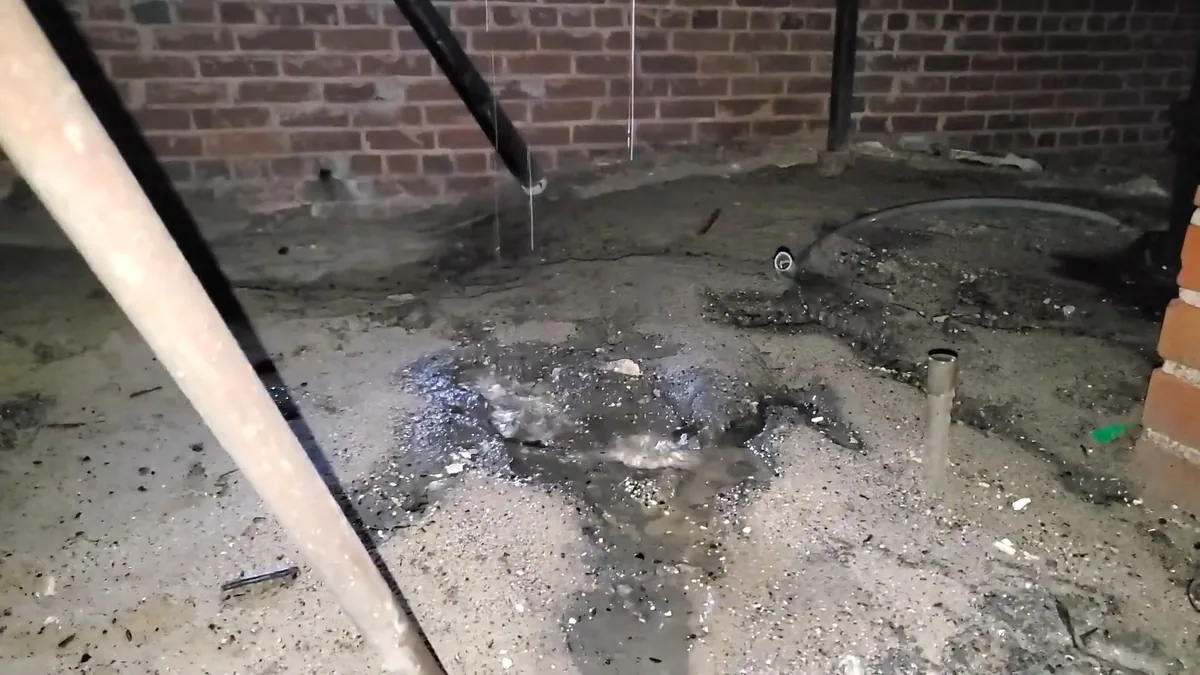
Close the shutoff, avoid electricity, then photograph the damage
- Stop the water by closing the main shutoff or the nearest valve. If you cannot, call a plumber right away.
- Stay clear of electricity. Do not touch outlets, switches or the panel in a wet area. If water reached them, call an electrician.
- Stay out from under a sagging ceiling. A bulging ceiling can hold a lot of water and may give way.
- Photograph and film everything before you move anything.
- Call your insurer and ask what it needs before cleanup begins.
- Call the water damage line and describe what happened.
The plumbing repair is a separate job from drying. If the source is not yet fixed, start with stopping and repairing a broken pipe or finding the source of a hidden leak.
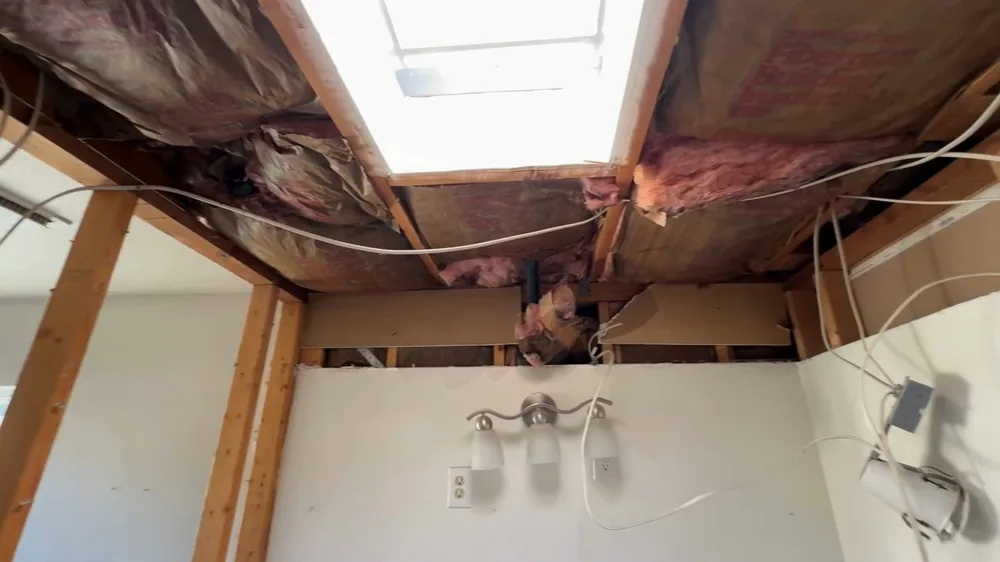
What kind of water was it? It decides what can be saved
| Type of water | Examples | What it means |
|---|---|---|
| Clean water | A supply line break, an overflowing sink with clean water | Materials can often be dried and saved if dried quickly |
| Gray water | Washing machine or dishwasher overflow | Some contamination, more care needed |
| Black water | Sewage, a toilet backup, flood water from outside | Contaminated. Porous materials usually must be removed, and this is not a do-it-yourself job |
Water that sits turns from clean to contaminated over time, so a clean-water leak left for days is no longer a clean-water job. Tell the technician how long the water has been there.
Call the water damage line and describe what happened, what kind of water it was and how long it has been there.
Drying and what it involves
Surface wetness is only part of the problem. Water travels into walls, under flooring and into insulation, and the goal is to dry all of it, not only what you can see.
- Extraction removes standing water first.
- Moisture mapping uses meters to find wet materials behind surfaces.
- Air movement and dehumidification dry the structure and the air.
- Monitoring repeats the readings until materials return to normal.
- Removal takes out what cannot be dried, such as soaked insulation or contaminated materials.
Ask for the moisture readings and a written scope. Your insurer will probably want both.
Carpet, hardwood, drywall and ceilings: saved or removed
| Material | Often saved if | Often removed if |
|---|---|---|
| Carpet and pad | Clean water and dried quickly | Gray or black water, or wet too long. The pad is usually replaced |
| Hardwood and wood flooring | Clean water, dried carefully and monitored | Cupped, buckled or soaked through for long periods |
| Drywall and plaster walls | Lightly wet and dried properly | Soaked, sagging or contaminated |
| Ceilings | Small stains that dry out | Bulging, sagging or stained with repeated leaks |
| Insulation | Rarely, if it has been soaked | Usually removed when wet |
| Baseboards and trim | Often dried and reused | Warped or swollen |
| Tile and concrete | Usually, since they tolerate water | Rarely removed, but the layers below may be wet |
Hardwood and carpet get most of the questions, and the answer is always about speed and the type of water.
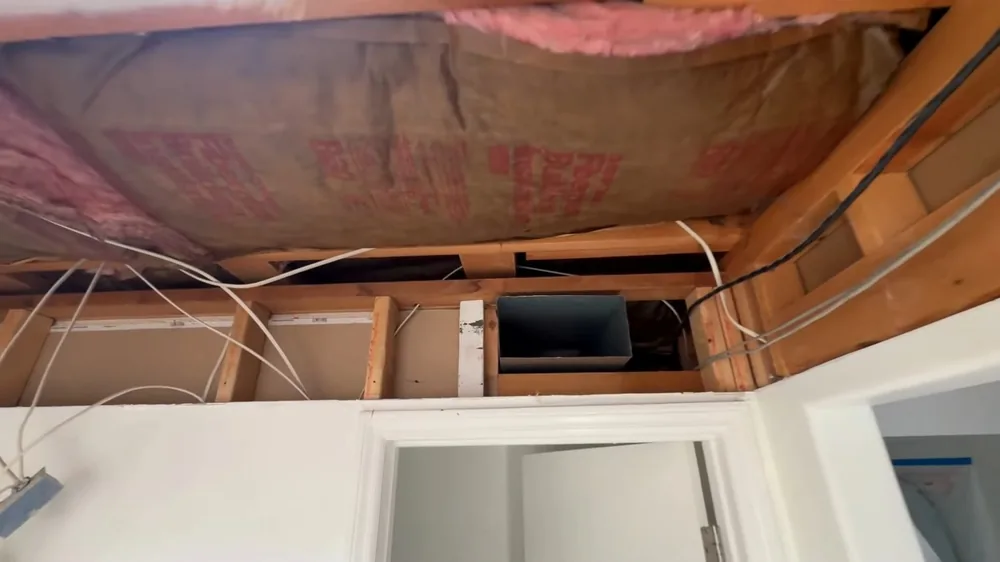
Sewage backups: why they are a different job
A sewage backup is contaminated water, and cleanup involves removing affected porous materials and disinfecting what remains. Keep children, pets and anyone vulnerable out of the area, and do not handle it with bare hands. The plumbing side, finding and fixing the blockage or break, is covered under sewer line repair.
How fast wet drywall, pad and insulation break down
Wet drywall, carpet pad and insulation start to break down within a day or two, and lingering moisture works its way into framing and subfloor. The sooner extraction and drying start, the more of the structure can stay in place.
- Move furniture, rugs and valuables off wet floors, but do not lift wet carpet or flooring yourself unless told to.
- Open cabinet doors and closets so air can reach wet walls.
- Do not run a household vacuum on standing water.
- Turn off the heating and cooling system if water reached vents or ducts.
- Keep a short written log of times: when it started, when it was stopped and when drying began.
Those notes help the technician plan, and they help an insurance adjuster understand the timeline.
Insurance, records and what to keep
- Photos and video from before cleanup.
- The plumber's written note of the source and cause.
- The moisture readings and the written drying scope.
- Receipts for emergency steps, equipment and replaced items.
- A list of damaged belongings, with rough values and photos.
Standard homeowners policies often treat sudden water damage differently from flood water that comes from outside or from long-term seepage, so ask your insurer what applies. If water came in with a storm or from a roof leak, a roofer deals with the opening, and the damage inside is a restoration job.
Mold risk after a leak: why fast drying matters
Damp materials left in place invite mold, which is the main reason to dry quickly. If you already see or smell mold, tell us when you call. Mold testing and mold remediation are a separate specialty, and we do not promise either on this page. Ask your insurer and a qualified mold professional what applies to your situation.
Shops, offices and multi-unit buildings
Water damage in a commercial or shared building involves tenants, owners and managers. Notify the property manager, protect equipment and records and call your insurer about business interruption as well as property damage. Describe the building, the floors affected and the number of tenants when you call the water damage line, so the technician knows what to plan for.
Water damage questions
What should I do first after a water leak or burst pipe?
Stop the water at the main shutoff, stay clear of wet electrical outlets and the panel, and stay out from under a sagging ceiling. Photograph everything, call your insurer and then call the water damage line.
Can wet carpet and hardwood floors be saved?
Often, if the water was clean and drying began quickly. Carpet pad is usually replaced. Hardwood depends on how long it stayed wet and how it is dried. Gray or black water usually means porous materials are removed.
Is a sewage backup different from other water damage?
Yes. Sewage is contaminated water, so porous materials that it touched usually need to be removed and the area disinfected. Keep people and pets away and do not handle it with bare hands.
Water damage in your Alhambra property?
Stop the water source first, then call the water damage line. Tell us what the water was, how long it has been there and what it reached.