
Plumbing help for Bean Tract, CA
Emergency Plumber in Bean Tract, CA: Long Pipe Runs, Mixed House Ages and What to Ask Before a Repair
The Bean Tract holds houses from several decades on larger lots, which makes pipe age and run length the two questions that matter. This page shows how to frame them and who owns the lateral.
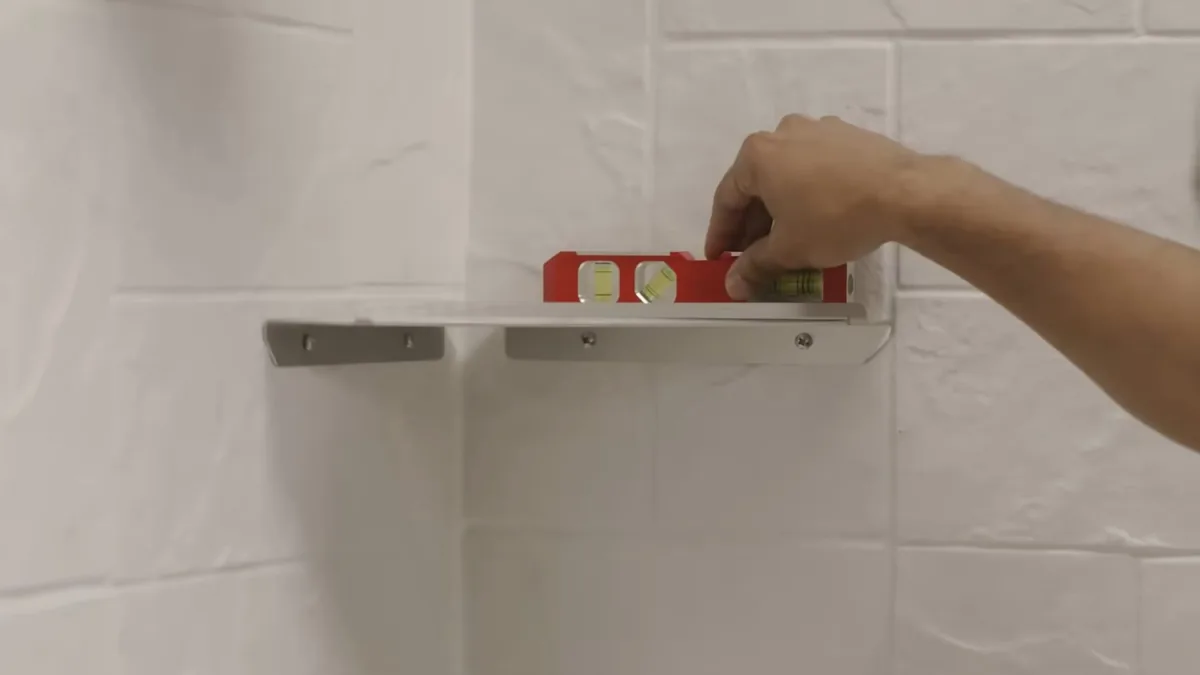
Bean Tract homes of several ages: ask the build year
The City describes the Bean Tract as the northeastern corner of Alhambra, named for lumber baron Jacob Bean, with former citrus groves subdivided for homes in the 1940s and most houses built in the 1940s and 1950s. Its survey history shows subdivisions as early as 1915 and as late as 1948.
That spread means one neighborhood holds several generations of plumbing. A house from the 1920s may still have original steel supply pipe, while one from the 1950s is more likely to have copper. Do not assume. Tell the plumber the year your house was built, and ask what material is actually behind the walls.
When you describe where you are, give the cross street first. Main Street, the business district at Main Street and Garfield Avenue, is a useful second reference point.
| If the house dates from... | Pipes often found | Ask the plumber |
|---|---|---|
| The 1910s to 1920s | Steel supply, cast iron drain | Which sections have been replaced? |
| The 1930s to 1940s | Steel or early copper | Pressure test at two fixtures |
| The 1950s | Copper supply, clay or cast iron lateral | Camera the lateral |
This table is a general pattern, not an inspection of your street. Use it to frame the questions.
Bigger lots mean longer runs from meter to house
The City describes homes in the Bean Tract of roughly 1,300 to 5,000 square feet on larger lots than most Alhambra neighborhoods. A bigger lot usually means a longer run of supply pipe from the meter and a longer sewer lateral to the main.
Long runs change repair decisions. A leak in a buried line can run for weeks before it surfaces. A long lateral is harder to clear and costs more to replace. Ask the plumber for a footage figure on any quote for pipe work.
- Ask how many feet of pipe the quote covers.
- Ask where the shutoff valve sits and test it once a year.
- Ask for a camera survey of a long lateral before any dig.
For a leak in a buried line, locating a leak under a lawn or driveway explains how a plumber finds it without digging up the lot.
Long pipe run or an older house? Call to talk through what to check first.
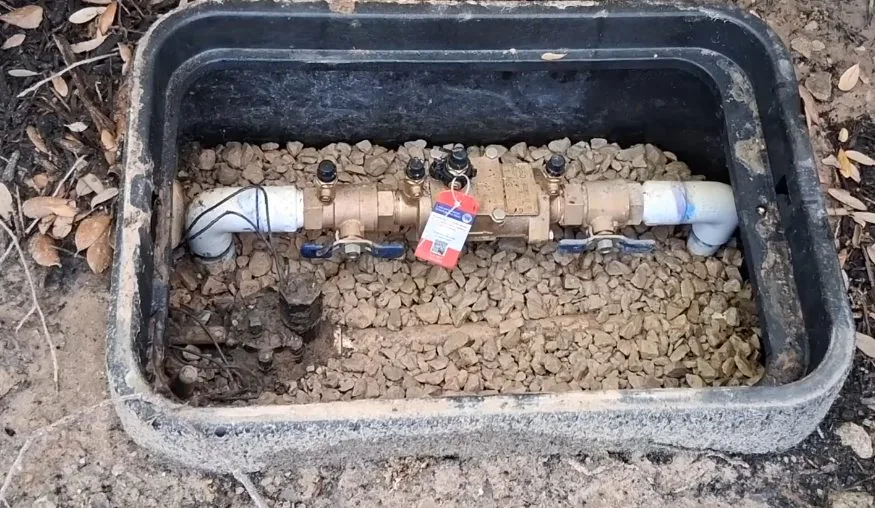
The sewer lateral is the owner's from house to main
The City's 2025 sewer management plan says the City does not own or operate any portion of private sewer laterals. Private owners maintain the entire length, from the building connection up to the City main.
On a larger lot that is a long stretch of pipe to be responsible for. Ask the plumber to film it and to measure the distance to any defect. Keep the footage for the City if the blockage proves to be in the main. See replacing a long sewer lateral for what the scope should state.
City permit steps for plumbing work
The Building Division, at 111 South First Street and 626-570-5032, lists piping, re-piping, and new or replacement fixtures and devices as permit items. The counter is open Monday to Thursday, 7 a.m. to noon and 1:30 to 4:30 p.m. Permits and inspections are handled through the online portal.
- Ask the plumber which of your jobs are on the City list.
- Ask who files and who attends the inspection.
- Plan around the Monday to Thursday counter hours.
- Keep the permit and the sign-off with your house records.
Sprinklers, hose bibs and the leak that hides outdoors
A larger lot usually carries more outdoor plumbing: hose bibs on several walls, irrigation lines and sometimes a detached garage or guest house with its own supply. A leak in any of them can hide under mulch or lawn and show up only as a high bill or a soft patch of ground.
Shut the irrigation valve and read the meter. If the dial still moves, the leak is elsewhere on the property. Close the house valve and read again to separate the buried line from the plumbing inside the house.
- Walk the lot after watering and look for pooling that does not drain.
- Check each hose bib for a drip when the hose is off.
- Ask whether outbuildings have their own shutoff valve.
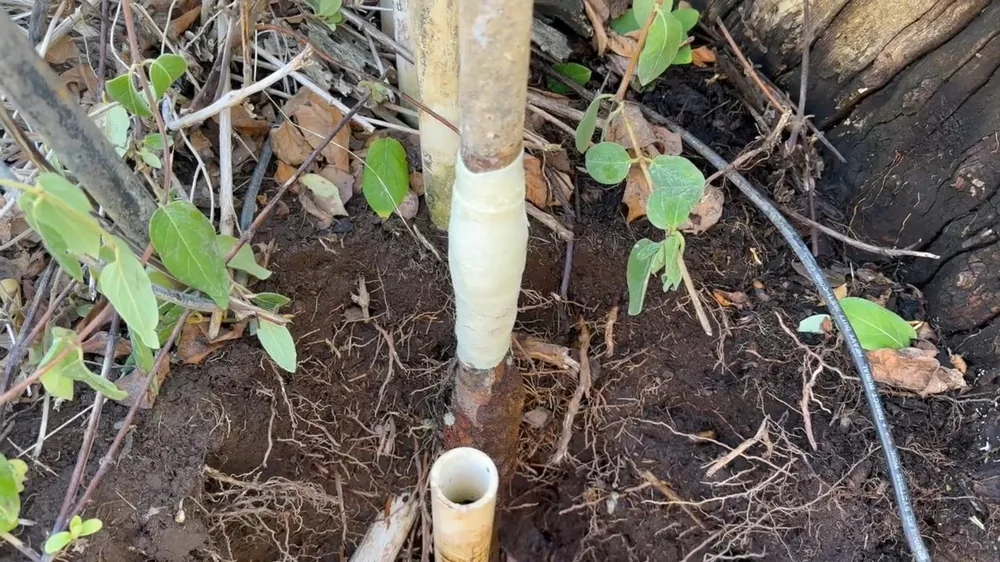
Mature trees over a long lateral: check the rule before digging
The City requires a permit to remove or alter a tree on private property, with exceptions, as read by our research pass. Larger lots tend to have larger trees, and a camera survey may show roots in the lateral well before any dig is planned.
Ask the plumber whether lining can avoid disturbing the roots, and confirm any tree permit with the Planning Division at 626-570-5034. Settle that before the crew arrives, not after a trench is open.
Bean Tract inside Alhambra, and how calls work
The Bean Tract lies in the northeastern corner of Alhambra. City survey records list its streets, including North Story Place and North Almansor Street, under ZIP 91801. A call from the Bean Tract reaches the same dispatch line as every Alhambra call, and the dispatcher confirms your address and availability before sending anyone.
Call (833) 571-0120. California requires a contractor license for jobs of $1,000 or more, labor and materials together, so check the plumber at cslb.ca.gov. plumbing across the northern half of Alhambra covers the neighboring streets.
Bean Tract plumbing questions
Where is the Bean Tract?
The City places it in the northeastern corner of Alhambra. City survey records list its streets under ZIP 91801.
Why does the year my house was built matter?
Subdivisions here date from as early as 1915 to 1948, so pipe materials vary. Tell the plumber the year and ask what is behind the walls.
Who owns the sewer lateral in the Bean Tract?
The City's 2025 sewer management plan says private owners maintain the entire lateral up to the City main. The City owns no portion.
Plumbing trouble in Bean Tract?
Give the street address and say what failed. You will hear what to check first and how the age of your house changes the repair.